Adulterated paneer being made using acid: Spot real vs fake in 4 easy ways; avoi...See More
Apr 22, 2026

Choose Vaccinations for Your Protection

Empower Yourself with Expert Guidance and Support

Preventative Care for Diabetes and Heart Conditions

About Us


Advanced Cardiac Care and Chronic Disease Management


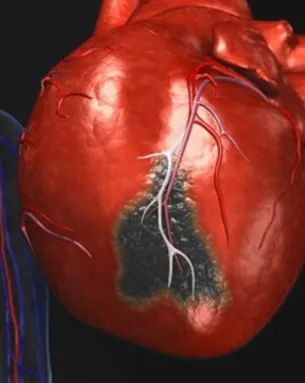

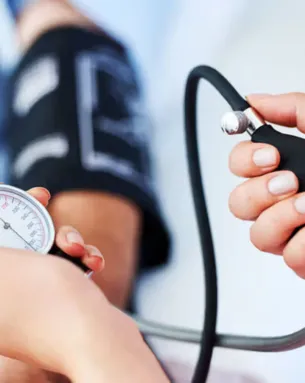





Stay informed with our latest updates, posts, announcements, and healthcare news
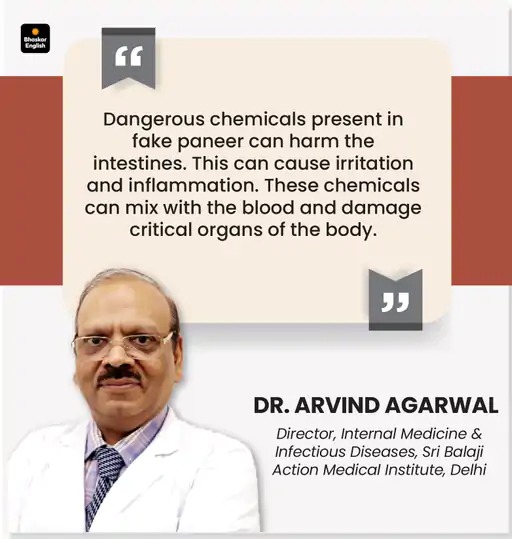
Adulterated paneer being made using acid: Spot real vs fake in 4 easy ways; avoi...See More
Apr 22, 2026
About Doctor

What our Patients says about us
Dr. Arvind K Agarwal is an exceptional doctor who goes above and beyond to provide the best possible care to his patients. His expertise, kindness, and dedication make him an outstanding physician. I would highly recommend him to anyone seeking medical treatment.

Dr. Arvind K Agarwal is an incredibly knowledgeable professional who is dedicated to his work. His extensive experience and expertise in his field make him an outstanding physician. He is highly skilled, attentive, and caring, and I would highly recommend him to anyone in need of medical care.
Dr. Arvind K Agarwal is an excellent doctor who truly cares about his patients. He is very knowledgeable and experienced in his field, which makes him an outstanding consultant. He is kind, attentive, and truly goes above and beyond to help his patients. I really thank him and recommend to everyone in need.

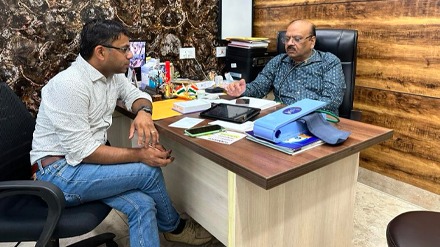



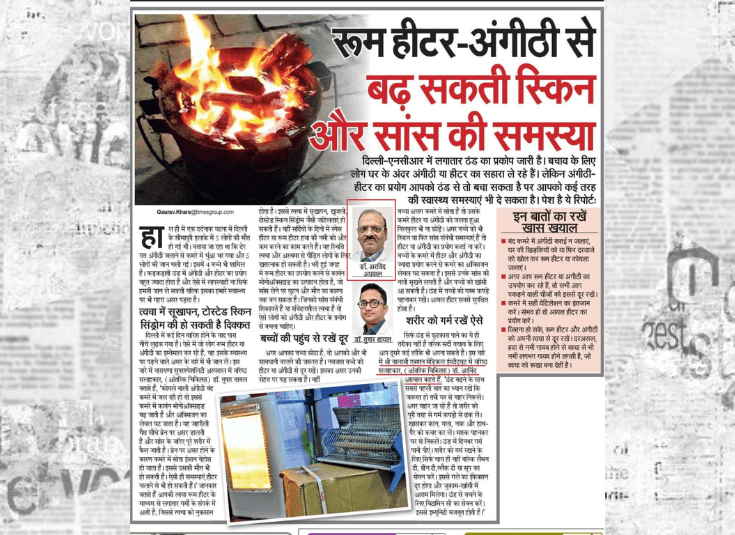
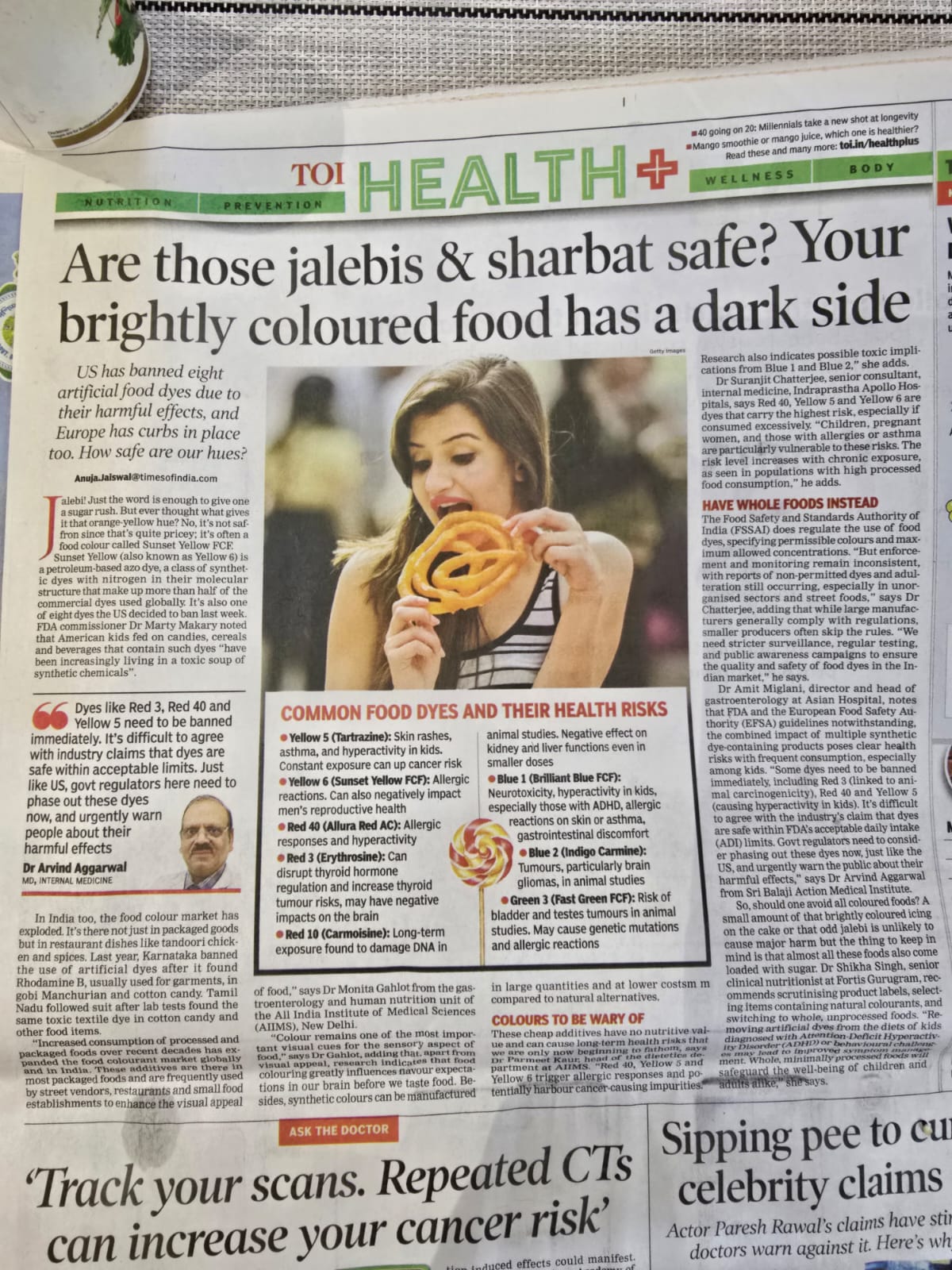
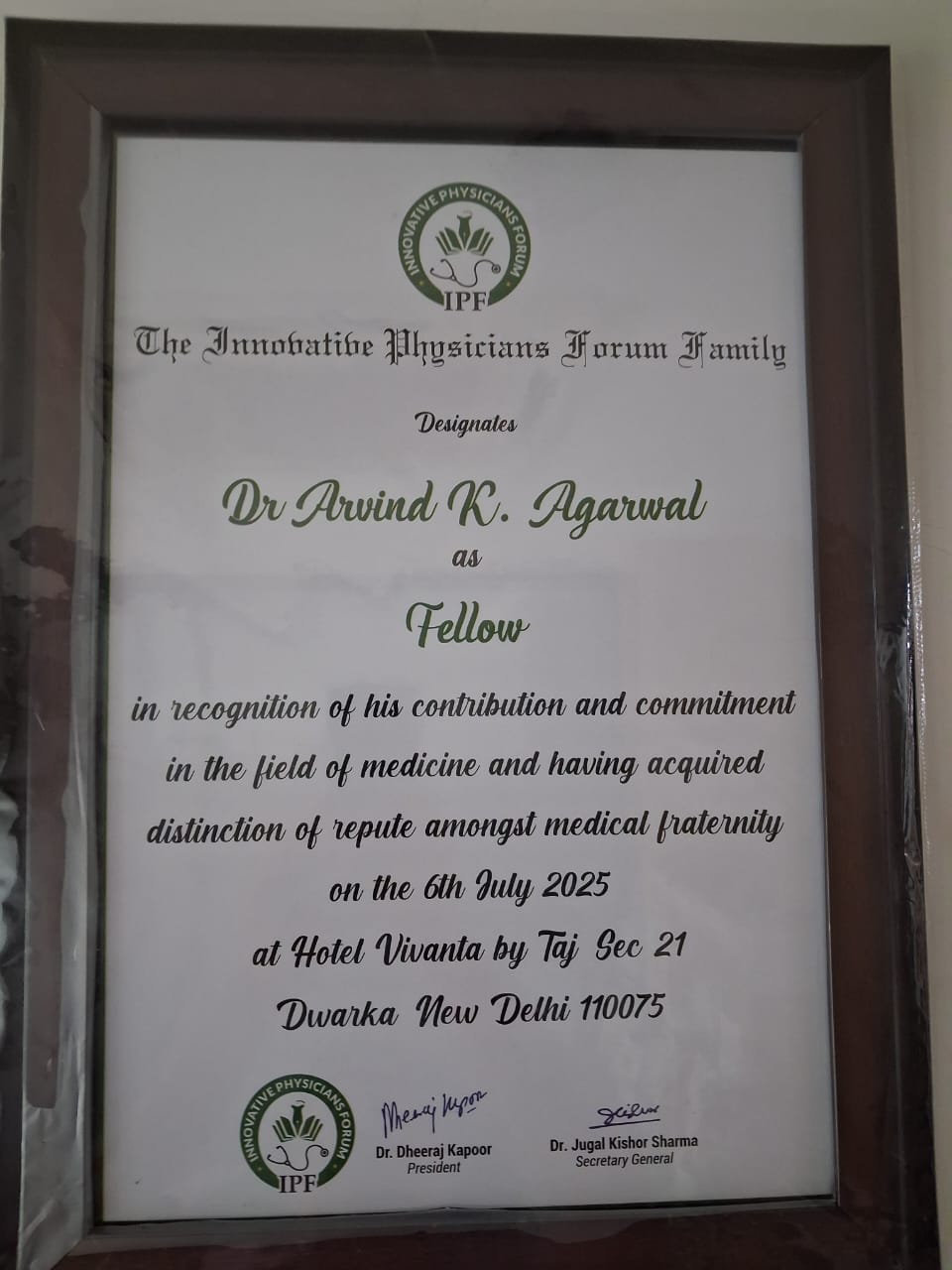
Know Your Doctor Better
Dr. Arvind K Agarwal, an experienced Internist, Diabetologist and Clinical Cardiologist in Delhi explains that if your blood pressure gets too high or stays high for a long time, it can cause health problems. Uncontrolled high blood pressure puts you at a higher risk for stroke, heart failure, heart attack, blindness, and kidney failure.High blood pressure usually develops over time. It can happen because of unhealthy lifestyle choices, such as not getting enough regular physical activity. Certain health conditions, such as diabetes and having obesity, can also increase the risk for developing high blood pressure. Consult, Dr. Arvind K Agarwal, a renowned Internist, Diabetologist and Clinical Cardiologist for counselling and consultation for managing Heart problems, online via audio or video call or in clinic at Delhi, by booking simple online appointment with icareheal.
Hyperglycemia occurs when the blood sugar goes very high, beyond 250-300 mg/dl, explains Dr. Arvind k Agarwal, a leading Internist and Diabetologist. This can occur when the body does not have enough insulin or has become resistant to the insulin produced (unable to use it). The symptoms are, unfortunately, similar to hypoglycemia- namely, excessive thirst, hunger, unintentional weight loss, a wound not healing. It is usually detected when the patient is tested for some other problem and is often detected late. Exercising (unless ketones are present in your urine), eating less, or changing medication plan should all help reduce the hyperglycemia. The best way to prevent it is by managing your diet and medication properly. Consult, Dr. Arvind K Agarwal, a renowned Diabetologist and Clinical Cardiologist for counselling and consultation for managing Sugar related problems, online via audio or video call or in clinic at Delhi, by booking simple online appointment with icareheal.
Infectious diseases are caused by harmful organisms that get into your body from the outside, like viruses and bacteria. Noninfectious diseases are not caused by outside organisms, but by genetics, anatomical differences, getting older and the environment you live in, explains Dr. Arvind K Agarwal, a prominent Internist and Infectious Disease physician in Delhi. You can not get noninfectious diseases from other people, by getting a bug bite or from your food. The flu, measles, HIV, strep throat, COVID-19 and salmonella are all examples of infectious diseases. Cancer, diabetes, congestive heart failure and Alzheimer's disease are all examples of noninfectious diseases. Consult Dr. Arvind K Agarwal, highly experienced Consultant Physician in Delhi, for appropriate diagnosis and consultation of Infectious diseases. Book an online appointment for video or audio consultation on the website or download icareheal app on your website to book best Internist in Delhi.
An Internist explains that, certain symptoms can indicate a serious health problem. Looking at your lab work and your family medical history to determine your risks for certain diseases.There are some symptoms that every patient should be aware of, because these serve as warning signs for potentially life-threatening conditions increased thirst and urination, Difficulty speaking and moving in addition to numbness on one side of the face, these are the warning signs of a stroke. If you're having a stroke, itss important to seek medical attention immediately in order to minimize the likelihood of brain damage. Blood in urine, this is an indicator of bladder and/or kidney infections. Chest pain and numbness in the left arm, this is one of the classic symptoms of a heart attack. However, if you're a woman, you may be less likely to experience chest pain. Instead, you may have jaw pain, nausea or lightheadedness. Severe abdominal pain, It is difficult to determine the exact cause of abdominal pain because there are so many organs in that area. However, extreme pain could indicate an inflamed appendix or another serious condition. Consult Dr. Arvind K Agarwal, one of the best Internist and Cardiologist in Delhi by booking an online appointment for in clinic or online consultation via audio or video call. Also download icareheal app on your smartphones to manage your bookings with an Internist.
Type 2 diabetes (formerly known as adult-onset or non-insulin-dependent diabetes) can be a life-long, chronic disease in which the body either does not produce enough insulin or the cells in out body does not respond to insulin correctly. Because of these two problems, there is not enough insulin to move the glucose from the blood into the cells. When glucose builds up in the blood instead of going into cells, the body's cells can not function properly. Type 2 diabetes is more likely to occur in people who are over the age of 40, overweight, or have a family history in diabetes. According to recent research, type 2 diabetes cannot be cured, but individuals can have glucose levels that return to non-diabetes range, (complete remission) or pre-diabetes glucose level (partial remission) The primary means by which people with type 2 diabetes achieve remission is by losing significant amounts of weight. The key to losing weight is finding a meal plan and an activity regimen that will best suit one's lifestyle. Consult, Dr. Arvind K Agarwal, leading Internist in Delhi for patient specific opinions. Book an online appointment for online consultation or in clinic consultation. Simply, click on Book Now or download icareheal on your smartphones.
vitamin deficiencies are becoming more common due to several factors. One reason is poor diet, where a lack of nutrient-dense foods can lead to insufficient vitamin intake. Malabsorption issues, such as those caused by medical conditions like celiac disease, inflammatory bowel disease, and bariatric surgery, can also prevent the body from absorbing nutrients properly, leading to deficiencies. Excessive alcohol consumption can also cause vitamin deficiencies, as it interferes with the body's ability to absorb and utilize certain vitamins. Medications like proton pump inhibitors and certain antibiotics can also interfere with vitamin absorption. As we age, our bodies become less efficient at absorbing and utilizing vitamins, which can result in deficiencies. Vitamin D deficiency is common in people who get limited sun exposure, such as those who live in northern latitudes or spend most of their time indoors. Chronic diseases like kidney disease and cystic fibrosis can also lead to vitamin deficiencies. Vitamin deficiencies can have serious health consequences, so it's important to seek medical advice if you suspect you may have a deficiency. Your healthcare provider can recommend appropriate treatment and help you address the underlying causes of your deficiency. Ensuring a varied, nutrient-rich diet and avoiding excessive alcohol consumption can also help prevent vitamin deficiencies. Book a simple online appointment with icareheal to consult Dr. Arvind K Agarwal, a renowned Internist, Diabetologist and Cardiologist, either via audio or video call, or in person at his clinic in Delhi.
Insulin resistance is a condition in which cells in the body become resistant to the effects of insulin, a hormone produced by the pancreas that helps regulate blood sugar levels. This resistance can lead to high blood sugar levels and a variety of health problems, including type 2 diabetes, heart disease, and obesity. In insulin resistance, the cells in the body do not respond to insulin as effectively as they should, which means that glucose (sugar) cannot enter the cells as easily. As a result, the pancreas has to produce more insulin to keep blood sugar levels in the normal range. Over time, the pancreas may become unable to keep up with the demand for insulin, leading to high blood sugar levels and type 2 diabetes. Insulin resistance can be caused by a variety of factors, including genetics, obesity, physical inactivity, and certain medical conditions such as polycystic ovary syndrome (PCOS). It can be managed through lifestyle changes such as regular exercise, weight loss, and a healthy diet, as well as medication in some cases. Get expert medical advice from Dr. Arvind K Agarwal, a renowned Internist, Diabetologist and Cardiologist, by booking an appointment with icareheal. You can choose to consult with him via audio or video call, or meet him in person at his clinic in Delhi.
Gastrointestinal disorders refer to a wide range of conditions that affect the digestive system, including the esophagus, stomach, intestines, liver, pancreas, and gallbladder. These disorders can cause a variety of symptoms such as bloating, constipation, diarrhea, abdominal pain, nausea, vomiting, and heartburn. There are several different types of gastrointestinal disorders, ranging from mild and easily treatable to more severe and chronic conditions. Some common gastrointestinal disorders include gastroesophageal reflux disease (GERD), irritable bowel syndrome (IBS), inflammatory bowel disease (IBD), peptic ulcer disease, and gallstones. Treatment for gastrointestinal disorders will depend on the specific condition and the severity of symptoms. Mild cases of gastrointestinal disorders can often be treated with over-the-counter medications, such as antacids or laxatives. For more severe cases, prescription medications or surgery may be necessary. Dr. Agarwal Heart & Diabetes Clinic offer comprehensive diagnostic and treatment services for a wide range of gastrointestinal disorders. The team of medical professionals has extensive experience in treating digestive system issues, and we utilize the latest diagnostic tools and treatment techniques to provide the best possible care for our patients. Book a simple appointment online with icareheal to consult with Dr. Arvind K Agarwal, a renowned Internist, Diabetologist and Cardiologist. You can choose to consult with him via audio or video call, or meet him in person at his clinic in Delhi.
Infectious diseases are illnesses caused by pathogens such as bacteria, viruses, fungi, or parasites. These pathogens can enter the body and cause disease by attacking the host's cells, tissues, or organs. Infectious diseases can be spread from one person to another through various modes of transmission, such as direct contact, through air or water, or through vectors like mosquitoes or ticks. Common infectious diseases include the flu, tuberculosis, malaria, HIV/AIDS, hepatitis, and pneumonia, among others. Symptoms of infectious diseases can vary depending on the type of pathogen and the severity of the illness, but can include fever, fatigue, body aches, respiratory problems, digestive issues, and more. At Dr. Agarwal Heart & Diabetes Clinic, we specialize in the diagnosis and treatment of a wide range of infectious diseases.The clinic offer preventive care services such as vaccinations and education on hygiene practices to help prevent the spread of infectious diseases. If you suspect you may have an infectious disease, we encourage you to schedule an appointment with our clinic to receive the care and treatment you need. Connect with Dr. Arvind K Agarwal, a well-known Internist, Diabetologist and Cardiologist, by booking an appointment with icareheal. You can either consult with him via audio or video call, or meet him in person at his clinic in Delhi.
Dr. Agarwal Heart & Diabetes Clinic offers a comprehensive range of healthcare services, including diagnosis, treatment, and management of a variety of medical conditions. The clinic specializes in cardiology, diabetology, and internal medicine, and offers services such as hypertension management, diabetes management, thyroid diseases, vitamin D deficiency treatment, and more. Book a simple online appointment with icareheal to consult Dr. Arvind K Agarwal, a renowned Internist, Diabetologist and Cardiologist, either via audio or video call, or in person at his clinic in Delhi.